
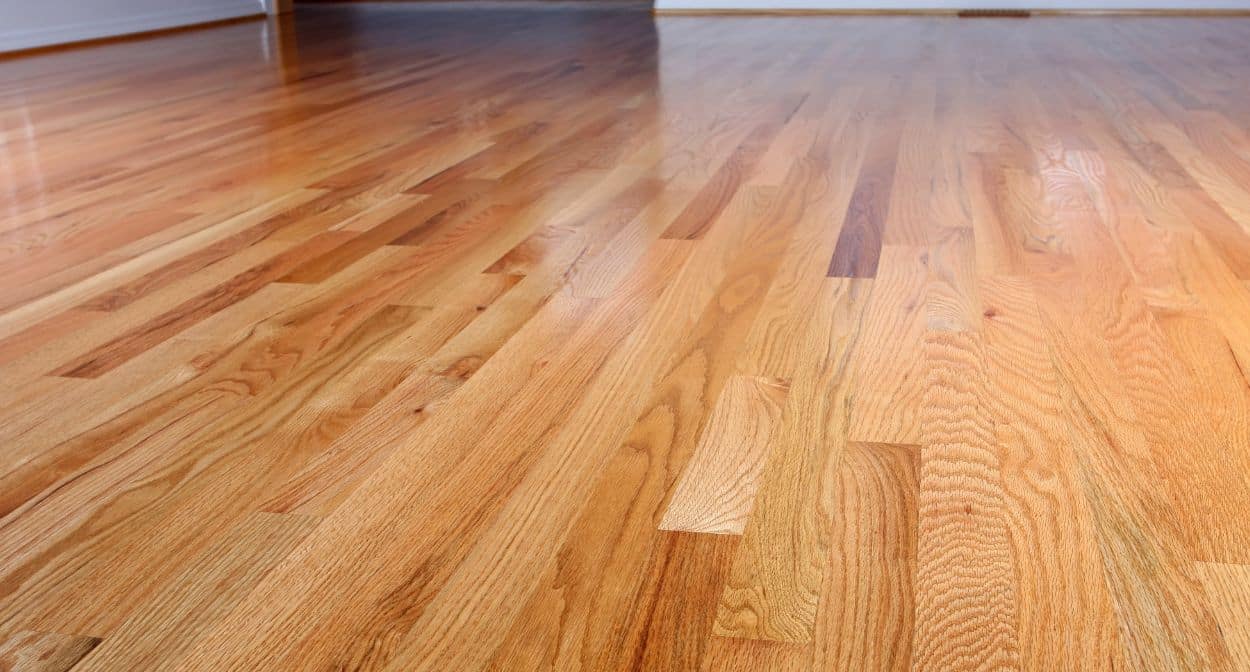
Hardwood floors add warmth, elegance, and lasting value to any space—whether it's a modern office in downtown San Jose or a luxury home in Santa Clara. But maintaining their natural beauty requires more than just a quick sweep or mop. Many homeowners and business owners unintentionally damage their floors by using the wrong cleaning methods or products. Over time, this can lead to dull finishes, warped boards, and costly repairs.
1. Regular Dry Cleaning: The First Line of Defense
Dry cleaning—whether through sweeping, vacuuming, or dusting—is the most essential and often overlooked step in hardwood floor maintenance. Dirt, sand, and fine debris may seem harmless at first glance, but over time, they act like sandpaper, creating micro-abrasions that dull your floor’s finish. For best results, sweep daily using a soft-bristled broom or a microfiber dust mop that traps particles without scratching the surface. Weekly vacuuming is also recommended, but be sure to use a vacuum cleaner specifically designed for hardwood floors. These models avoid rotating brushes or beater bars that can scuff the surface. In commercial or high-traffic areas, consider a robotic vacuum with hard floor settings to maintain consistent cleanliness without manual effort. Paying extra attention to areas like entrances, kitchens, and hallways can help minimize long-term damage, as these zones tend to collect the most abrasive particles.
2. Prompt Spill Management
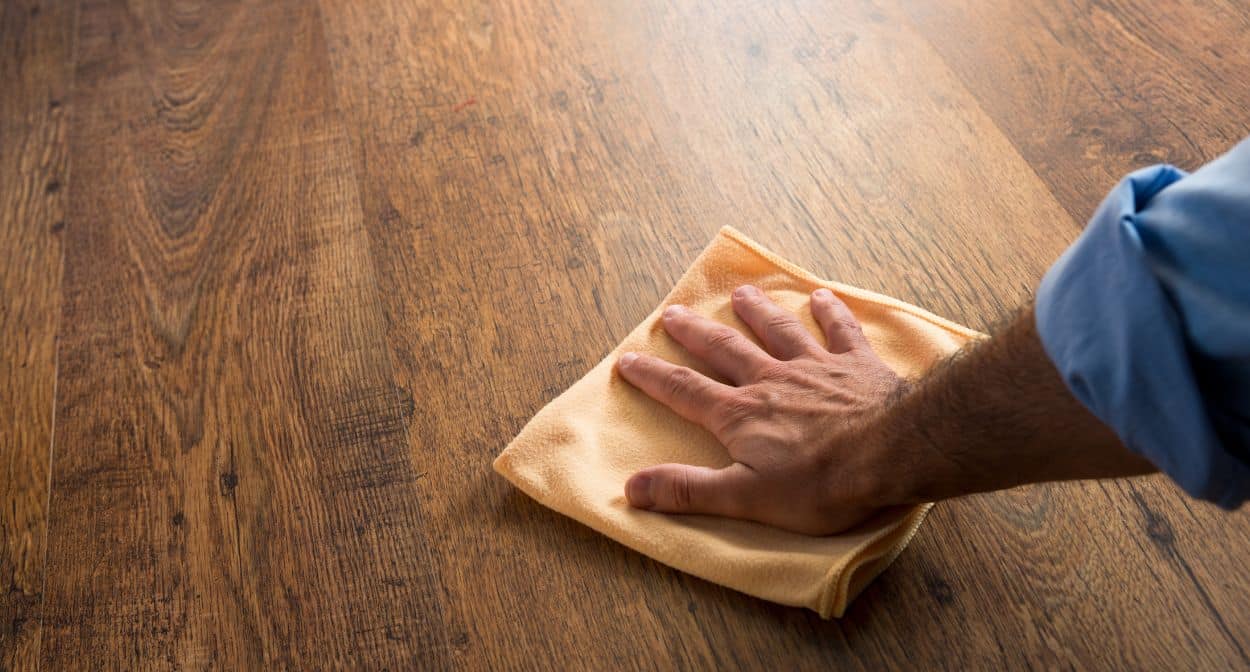
Although hardwood floors are often sealed with protective finishes, any standing liquid poses a serious threat if not addressed quickly. Moisture can penetrate seams and edges, leading to warping, staining, or mold growth beneath the surface. The key is to act fast. As soon as a spill occurs, blot it immediately using a dry microfiber cloth. Avoid wiping, which can spread the liquid or push it into cracks. Equally important is steering clear of vinegar, ammonia, or baking soda-based DIY solutions. Despite their popularity, these substances are too acidic or abrasive and can gradually degrade the protective finish of your floors. Instead, opt for spot cleaners specifically formulated for hardwood, which are labeled as finish-safe and non-toxic. In commercial environments such as office kitchens or public spaces, consider setting up a small cleaning station with rags and safe floor spray for quick access during accidental spills.
3. Damp Mopping: Less Is More
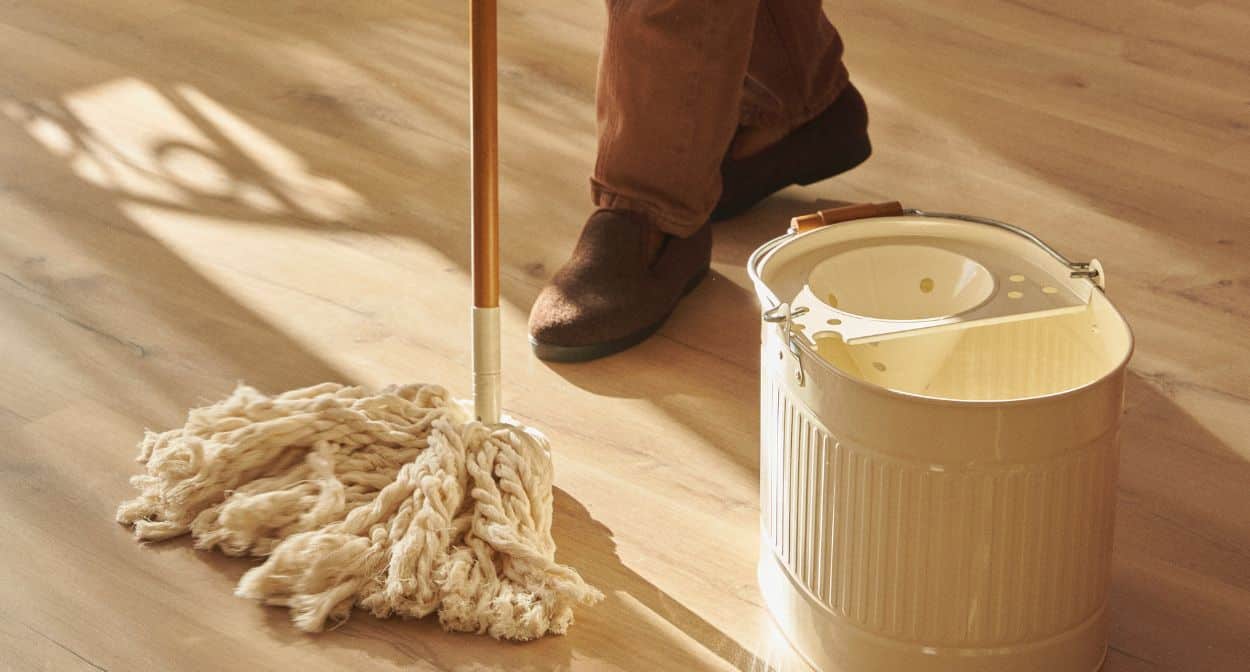
While mopping is essential for deep cleaning, too much water is one of hardwood’s greatest enemies. Excessive moisture can seep into the wood and cause swelling, buckling, or finish breakdown. The safest approach is damp mopping—lightly moistening the cleaning pad rather than soaking it. Microfiber mops are ideal because they pick up dirt effectively while using minimal water. Rather than immersing the mop head, lightly spray it with a hardwood-safe floor cleaner and gently glide it across the surface. Always mop in the direction of the wood grain to prevent streaks and to ensure that dirt and moisture aren’t forced into the crevices. Traditional sponge mops should be avoided altogether, as they tend to leave behind too much water and can push dirt into seams, creating long-term problems.
4. Choose the Right Cleaning Products
Selecting the correct cleaning products is crucial in preserving your hardwood’s appearance and protective finish. Many generic household cleaners, including oil soaps and all-purpose sprays, can leave residues that dull the surface or even strip away the finish over time. The safest choice is a pH-neutral cleaner specifically labeled for finished hardwood floors. Reputable brands such as Bona, Method Wood Floor Cleaner, and Bruce offer formulations designed to clean thoroughly without causing damage. Unless your floors are unfinished or waxed, avoid wax-based products, which can cause buildup and interfere with future refinishing work. DIY mixtures, including those made with vinegar, lemon juice, or dish soap, should also be avoided—even if they seem gentle. These can still be too harsh for polyurethane or water-based finishes. When in doubt, it’s wise to test any new product on a small, inconspicuous area before applying it across the entire floor.
5. Protective Measures to Preserve Finish
Protecting your hardwood floors goes beyond regular cleaning. Preventative measures can significantly reduce the frequency of maintenance and help preserve your floors' appearance and structural integrity. Placing walk-off mats at all entryways helps trap dirt, gravel, and moisture before it gets tracked inside. Choose mats with rubber backings that won’t stain or discolor the wood. High-traffic zones like hallways or reception areas benefit from decorative area rugs, which absorb wear and lessen direct foot traffic on the wood surface. All furniture legs should have felt pads attached to prevent scratches during movement—especially for desks, chairs, and tables that are regularly shifted. These pads should be cleaned and replaced periodically to ensure debris doesn’t accumulate underneath. In pet-friendly environments, keeping animals’ nails trimmed also reduces the risk of scratches and gouges. Finally, to avoid uneven sun fading, rotate rugs and reposition furniture every few months so your floors wear more evenly over time.
6. Regular Maintenance and Professional Care
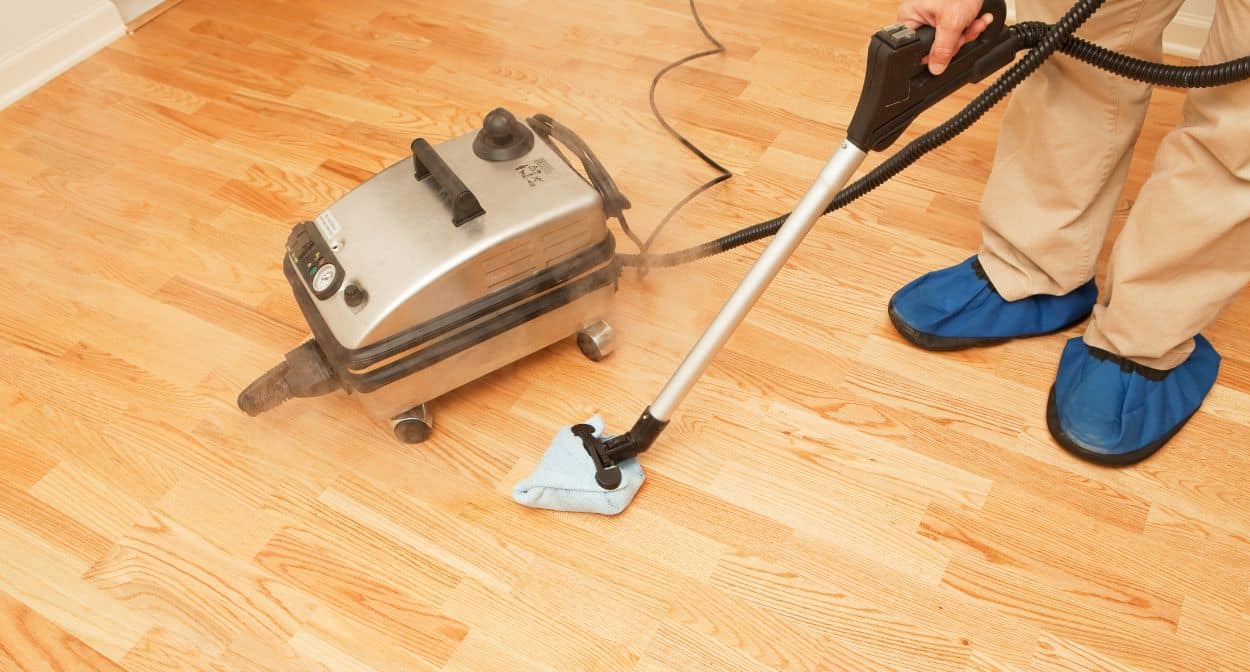
Even with the best daily care, hardwood floors benefit from periodic deep cleaning and professional maintenance. In both commercial and residential spaces, hiring trained professionals to clean your floors every 6 to 12 months can restore their luster and help catch early signs of damage. Over time, even well-maintained floors will begin to show signs of wear. When this occurs, services like buffing and recoating can refresh the finish without requiring a full sanding or refinishing job. However, you should avoid steam cleaners at all costs. Although they promise a deep clean, the combination of heat and moisture can degrade wood fibers and destroy protective sealants. Quality Matters, LLC offers professional-grade floor cleaning services tailored to hardwood surfaces for businesses or new commercial properties in the Bay Area. Our experienced team uses commercial-grade tools and products that are finish-safe and environmentally responsible, ensuring that your floors are not only clean but also well-preserved for the long term.
Conclusion
Hardwood floors are an investment in beauty and value—but they require the right kind of care to stay that way. From daily dry cleaning and spot management to selecting safe products and taking protective steps, these expert-approved methods ensure your floors stay clean without compromising their finish. When you clean smartly and maintain regularly, you reduce the need for repairs or refinishing, saving money and preserving aesthetics.
At Quality Matters, LLC, we take pride in helping our clients maintain immaculate, professional environments. With over 30 years of experience serving San Jose, Santa Clara, and the greater Bay Area, we understand what it takes to protect your property—whether you're a business owner, property manager, or contractor completing a construction project. Our specialized janitorial and post-construction cleaning services include expert care for hardwood flooring that aligns with industry best practices and environmental standards.