
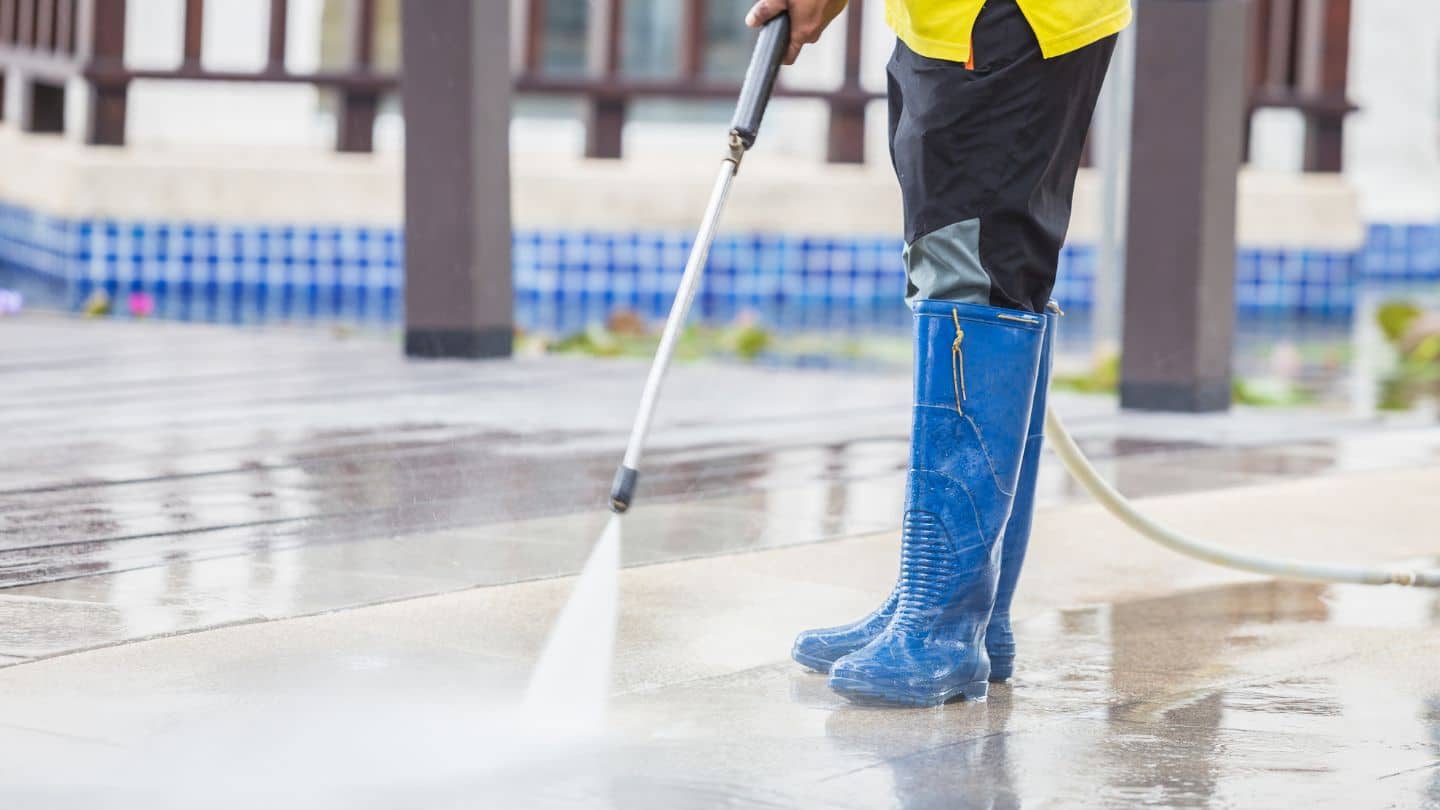
Exterior cleaning is crucial for keeping your commercial or construction property in pristine condition. Over time, dirt, mold, mildew, algae, and other contaminants can build up on surfaces, diminishing curb appeal and even causing damage if not addressed. Two of the most effective cleaning techniques used in the professional cleaning industry are pressure washing and soft washing, but they’re not the same.
At Quality Matters, LLC, a licensed commercial cleaning company serving the San Jose and Santa Clara regions for over 30 years, we’re often asked, “What’s the difference between pressure washing and soft washing?” This article explains the difference so you can make the right choice for your property’s needs.
What is Pressure Washing?
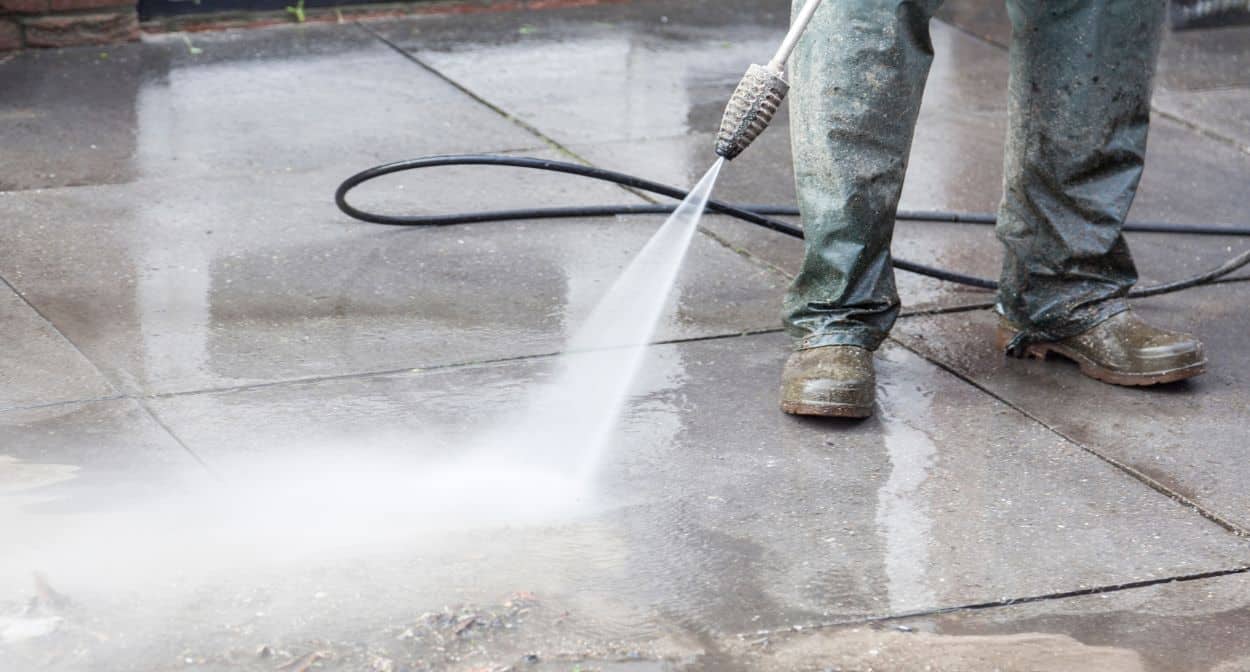
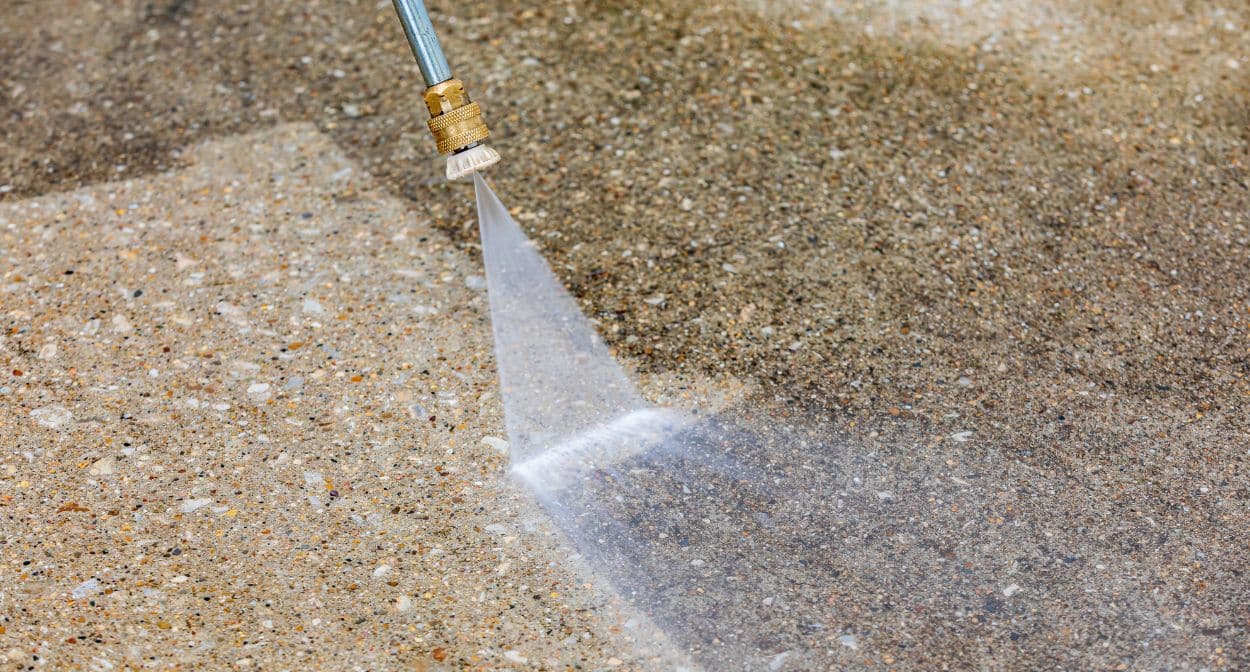
Pressure washing uses high-pressure water—typically between 2,000 and 4,000 PSI—to blast away dirt, grime, mold, paint, and even chewing gum from hard surfaces. This method is particularly effective for surfaces like concrete sidewalks and driveways, brick walls, parking lots, garage floors, retaining walls, commercial loading docks, and even heavy machinery. It’s an ideal solution for hard, durable surfaces that can withstand the force of high-pressure water without sustaining damage.
One of the key benefits of pressure washing is its deep cleaning power, which can remove years of built-up grime quickly and efficiently. It often requires no harsh chemicals, relying primarily on the force of water, making it a straightforward and eco-conscious option in many scenarios. Additionally, pressure washing helps restore a surface’s original appearance, making your property look cleaner, more professional, and well-maintained.
However, improper use of pressure washing equipment can cause damage, especially on delicate surfaces like vinyl siding, stucco, or roof shingles. Inexperienced handling may also unintentionally etch concrete or strip paint. That's why it’s essential to trust professionals like Quality Matters, LLC, who understand how to apply pressure washing safely and effectively.
What is Soft Washing?
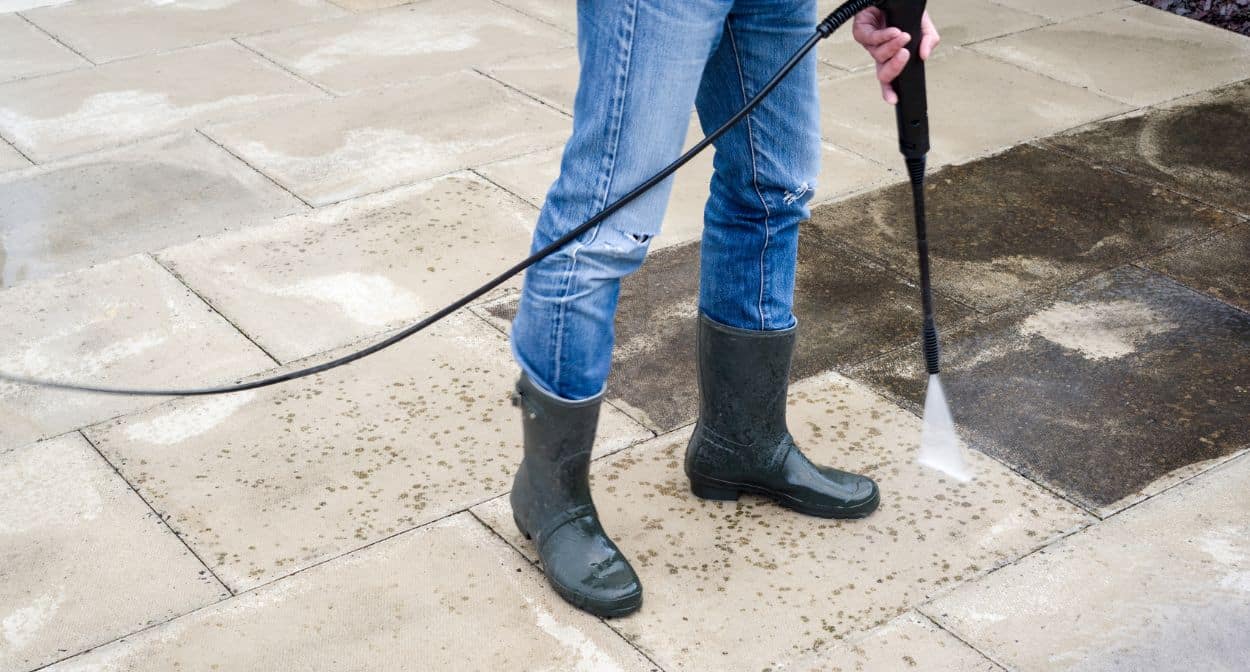
Soft washing relies on low-pressure water—typically under 500 PSI—combined with biodegradable cleaning solutions to safely clean exterior surfaces. Instead of brute force, this method uses specialized detergents to break down and kill mold, algae, mildew, and grime at the root level. Soft washing is best suited for cleaning more delicate surfaces such as roofs, stucco, and painted exteriors, wood siding and decks, outdoor furniture, solar panels, and windows.
The benefits of soft washing are substantial. It effectively protects delicate materials from damage while still delivering a thorough clean. By killing organic growth at its source, soft washing helps prevent quick mold and mildew regrowth, providing a longer-lasting result than pressure washing. The cleaning agents used at Quality Matters, LLC are eco-friendly and safe for landscaping, pets, and people, which makes this method ideal for sustainable maintenance. Soft washing is also a great choice when prepping exterior surfaces for painting or sealing.
On the other hand, soft washing is less effective on heavily stained concrete or industrial equipment. The success of the cleaning process heavily depends on proper solution application. Inadequate technique can leave behind streaks or residues if not handled by a trained professional.
Key Differences Between Pressure Washing and Soft Washing
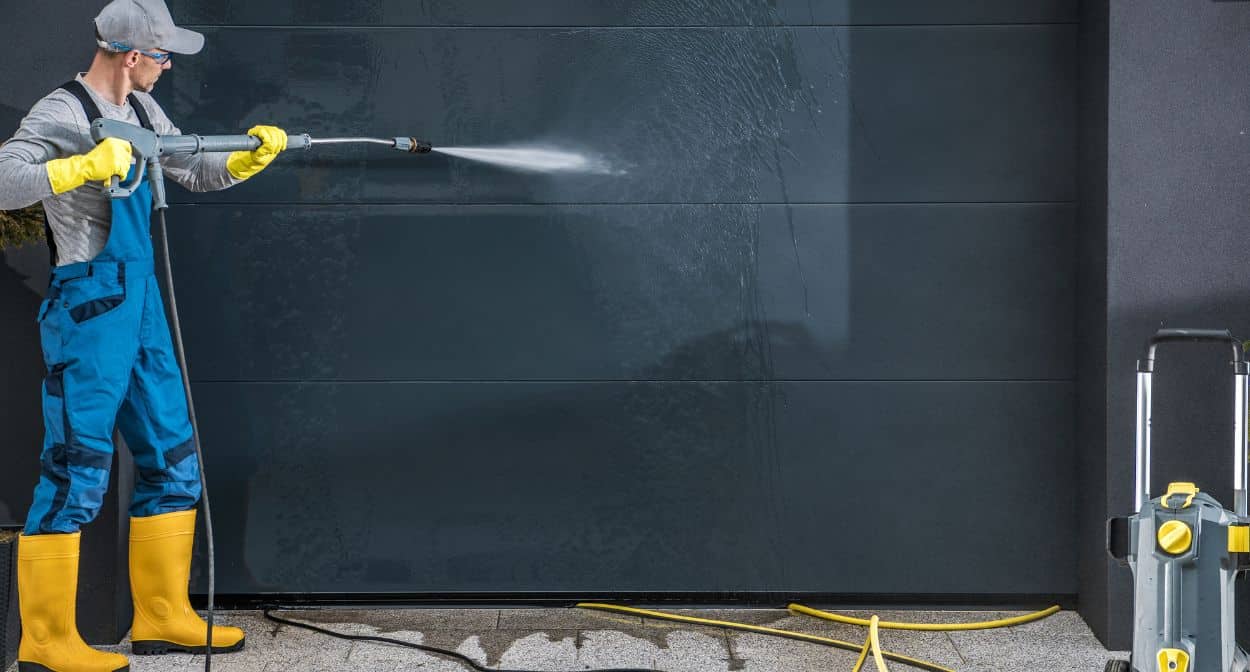
Pressure washing and soft washing differ primarily in water pressure, surface suitability, and cleaning approach. Pressure washing operates at a much higher PSI, making it effective for stubborn buildup on hard surfaces. In contrast, soft washing uses gentle pressure combined with chemical cleaners that do the hard work. Pressure washing is ideal for tough materials like concrete and brick, while soft washing is safer for more fragile surfaces like roofs, painted siding, and wood. Pressure washing often doesn't require chemicals, relying on water alone, while soft washing necessitates specialized solutions that eliminate contaminants at the microbial level. Lastly, improper use of pressure washing can lead to surface damage, whereas soft washing, when done correctly, minimizes risk across the board.
When to Choose Pressure Washing
Pressure washing is the preferred method when dealing with large-scale commercial surfaces requiring intense grime removal. For example, construction sites in San Jose or Santa Clara that have accumulated concrete dust, oil spills, or tire marks will benefit significantly from the high-pressure technique. It's also the method of choice for post-construction cleanups, graffiti removal, dumpster pad cleaning, parking lot maintenance, and industrial equipment cleaning. At Quality Matters, LLC, we utilize top-tier, commercial-grade pressure washing systems that deliver outstanding results without compromising the integrity of your surfaces.
When to Choose Soft Washing
Soft washing is your best bet when handling more delicate or aged materials that could be damaged by high pressure. For instance, your office building's painted stucco exterior or roof shingles in Santa Clara might be harboring mold or mildew, which soft washing can safely remove. This method is especially effective for maintaining curb appeal for homeowner associations, preserving historic building exteriors, and extending the lifespan of siding and roof materials. It's also an excellent choice when preparing surfaces for repainting or sealing. Our soft washing services at Quality Matters, LLC ensure a safe, eco-conscious, and aesthetically pleasing result.
Why Professional Cleaning Matters
While DIY pressure or soft washing might seem tempting, a lack of experience and proper equipment can lead to safety risks and property damage. Professional cleaning is more than just spraying water—it's about applying the right amount of pressure, choosing the appropriate detergents, and understanding the surface materials. With over 30 years of experience serving San Jose, Santa Clara, and surrounding areas, Quality Matters, LLC has the knowledge and expertise to do the job right. Our team is licensed, trained, and insured, and we take every precaution to deliver excellent results while preserving the value and safety of your property.
Final Thoughts
Pressure and soft washing are potent commercial and construction cleaning tools, but understanding the difference is crucial. Each method offers distinct benefits: pressure washing provides unmatched cleaning strength for durable surfaces, while soft washing delivers a safer, more precise approach for delicate materials. At Quality Matters, LLC, we evaluate every job individually to ensure we’re using the best method for the task. Because when it comes to your property’s cleanliness and appearance, quality truly matters.